Contempt and Enforcement







Contempt and Enforcement in Florida Family Law
When a court issues an order in a family law case—such as a divorce decree, child support order, parenting plan, or alimony judgment—both parties are legally required to follow it. Unfortunately, there are situations where one party refuses or fails to comply with the court’s orders. When this happens, the other party may seek contempt and enforcement through the court to ensure the order is followed.
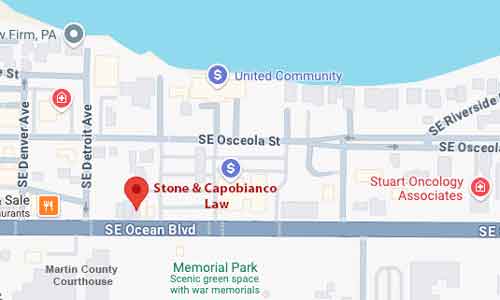
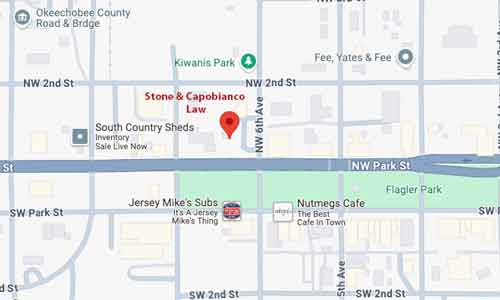
Linda Capobianco, a family law attorney at Stone Law in Stuart, Florida, assists clients in enforcing court orders and addressing situations where a former spouse or co-parent is not meeting their legal obligations.
What Is Contempt of Court?
Contempt of court occurs when a person willfully disobeys a court order. In family law cases, contempt is often used to address situations where a party knowingly fails to comply with an order related to financial support or parental responsibilities.
Common examples of contempt in family law cases include:
-
Failure to pay child support as ordered by the court
-
Failure to pay spousal support (alimony)
-
Refusing to follow a court-ordered parenting plan or time-sharing schedule
-
Not complying with property division orders from a divorce judgment
-
Ignoring other court directives related to the case
When a court finds that a person has willfully violated a court order, the judge may impose penalties and require the person to comply.
What Is Enforcement?
Enforcement refers to the legal process used to make sure a court order is followed. When one party fails to comply, the other party may file a motion for enforcement asking the court to intervene.
Enforcement actions may involve:
-
Requiring the non-compliant party to pay overdue support or comply with parenting schedules
-
Ordering make-up time-sharing if a parent denied visitation
-
Awarding attorney’s fees and court costs
-
Issuing income withholding orders for support payments
-
Taking additional legal steps to ensure compliance
The goal of enforcement is to ensure that court orders are respected and that the rights of the affected party—especially children—are protected.
How Courts Handle Contempt in Family Law Cases
When a motion for contempt is filed, the court will hold a hearing to determine whether a violation occurred and whether the violation was willful. The judge will review evidence, hear testimony, and determine whether the accused party had the ability to comply with the order but chose not to.
If the court determines that contempt occurred, it may order remedies such as:
-
Payment of past-due child support or alimony
-
Fines or sanctions
-
Attorney’s fees
-
Make-up parenting time
-
In some cases, jail time until compliance occurs
Courts generally prefer to encourage compliance rather than punish, but they have the authority to take serious action when necessary.
How Linda Capobianco Can Help
When a former spouse or co-parent fails to follow a court order, it can create serious financial and emotional stress. Linda Capobianco helps clients in Stuart, Florida and throughout the Treasure Coast take the appropriate legal steps to enforce their rights.
She can assist with:
-
Filing motions for contempt or enforcement
-
Addressing unpaid child support or alimony
-
Enforcing parenting plans and time-sharing orders
-
Seeking make-up visitation or compliance remedies
-
Representing clients in family court hearings
With experienced legal guidance, clients can pursue the enforcement of court orders while protecting their rights and the well-being of their families.
Enforcing Family Court Orders in Stuart, Florida
Court orders are legally binding and must be followed. If the other party in your case is not complying with a child support order, parenting plan, or alimony judgment, legal action may be necessary to enforce your rights.
To learn more about contempt and enforcement in Florida family law, contact us at (772) 781-4357 to schedule a consultation with Linda Capobianco in Stuart, Florida. She can help you understand your options and pursue the appropriate legal remedies.
Helpful Links
Government & Legal Resources
Florida Courts – Family Law Forms – official family law forms (divorce, custody, support).
Florida Department of Revenue – Child Support Services – info on child support enforcement in Florida.
Florida Bar Association – Family Law Section – resources on divorce, custody, and family law practice.
U.S. Department of Health & Human Services – Child Welfare – child custody and welfare resources.
Family & Child Support Resources
Florida Department of Children and Families (DCF) – services for families and children.
National Responsible Fatherhood Clearinghouse – resources for fathers navigating custody and support.
Administration for Children & Families – federal resources on child support, parenting, and family services.
Domestic Violence & Family Safety
Florida Coalition Against Domestic Violence – support for victims of domestic violence.
National Domestic Violence Hotline – confidential help for those in abusive situations.
RAINN – National Sexual Assault Hotline – resources for survivors of sexual assault.
Mediation & Parenting Resources
Florida Supreme Court – Alternative Dispute Resolution – mediation and conflict resolution services.
American Academy of Matrimonial Lawyers – professional org focused on divorce and custody best practices.
KidsHealth – Divorce – resources for parents helping children through divorce.