How Does Florida Decide Child Custody?
How Does Florida Decide Child Custody?

Understanding Parenting Plans and the Best Interests of the Child
When parents separate or divorce, one of the most important—and often emotional—questions they face is, “Who will have custody of the children?” In Florida, the courts no longer use the term “custody” in the traditional sense. Instead, the law focuses on parental responsibility and time-sharing, with the primary goal of protecting the child’s best interests.
At Stone Law, we understand that every family is unique. Attorney Linda Capobianco works closely with parents throughout Port St. Lucie, Stuart, Fort Pierce, and the Treasure Coast to develop parenting plans that prioritize children’s well-being while protecting each parent’s legal rights.
If you have questions about child custody, parenting plans, or time-sharing in Florida, understanding how judges make these decisions is the first step.
Florida Focuses on the Child’s Best Interests
Florida courts make custody and time-sharing decisions based on the best interests of the child—not the preferences of either parent. Judges consider a variety of factors designed to promote a stable, healthy, and supportive environment for the child.
The law recognizes that, whenever appropriate, children benefit from maintaining meaningful relationships with both parents. Because of this, Florida courts generally encourage both parents to remain actively involved in their child’s life unless doing so would place the child at risk.
Every family is different, and no single factor automatically determines the outcome of a custody case.
What Is a Parenting Plan?
In Florida, parents are generally required to establish a Parenting Plan that outlines how they will share responsibilities and time with their children.
A Parenting Plan typically addresses:
- Time-sharing schedules
- Holidays and vacations
- School breaks
- Transportation arrangements
- Healthcare decisions
- Educational decisions
- Communication between parents
- Communication with the child
- Extracurricular activities
- Methods for resolving future disagreements
Parents may create their own Parenting Plan through negotiation or mediation. If they cannot agree, the court will establish a plan based on the child’s best interests.
Factors Florida Courts Consider
Florida law requires judges to evaluate numerous factors when determining time-sharing and parental responsibility.
Some of the most important considerations include:
Each Parent’s Ability to Encourage a Relationship
Courts look favorably upon parents who encourage a healthy relationship between the child and the other parent. Attempts to alienate a child or interfere with parenting time may negatively affect the court’s decision.
Stability and Continuity
Judges often consider the child’s current living situation, school, community involvement, and daily routine. Maintaining consistency may be an important factor, particularly for younger children.
Physical and Mental Health of the Parents
The court may consider whether either parent has physical or mental health issues that could affect their ability to care for the child. Every situation is evaluated individually.
Ability to Meet the Child’s Needs
Judges evaluate each parent’s ability to provide:
- A safe home
- Emotional support
- Medical care
- Educational support
- Daily supervision
- Stability and routine
Moral Fitness and Conduct
When relevant, the court may consider behavior that directly affects the child’s welfare, including domestic violence, substance abuse, or criminal activity.
Child’s School and Community
If appropriate, courts may seek to minimize disruptions to the child’s education, friendships, and extracurricular activities.
Does the Child Get to Choose?
Many parents believe that a child can simply decide which parent they want to live with. In reality, Florida law does not establish a specific age at which a child gets to make that decision.
Instead, if a child is of sufficient maturity and understanding, the court may consider the child’s reasonable preferences as one of many factors. However, those wishes are never the sole determining factor.
The judge will always focus on what serves the child’s best interests.
What Is Shared Parental Responsibility?
Florida generally favors shared parental responsibility, meaning both parents continue participating in major decisions affecting their child’s life.
These decisions often include:
- Education
- Healthcare
- Religious upbringing
- Extracurricular activities
Shared parental responsibility encourages both parents to remain actively involved in raising their child whenever appropriate.
In certain situations involving abuse, neglect, or other serious concerns, the court may determine that shared decision-making is not in the child’s best interests.
Can Parenting Plans Be Modified?
Yes. Life circumstances change, and parenting plans may need to change as well.
A court may modify a parenting plan when there has been a substantial, material, and unanticipated change in circumstances and the requested modification serves the child’s best interests.
Examples may include:
- Relocation
- Significant changes in work schedules
- A parent’s inability to exercise time-sharing
- Safety concerns
- Changes affecting the child’s welfare
Parents should not make significant changes to court-approved parenting plans without first obtaining legal guidance or court approval when required.
The Importance of Mediation
Many family law cases are resolved through mediation before ever reaching trial.
Mediation allows parents to work together with a neutral third party to develop mutually acceptable parenting arrangements. This process often reduces conflict, lowers legal costs, and gives parents greater control over the outcome.
Even when disagreements exist, successful mediation can create more flexible and practical parenting plans than those imposed by a judge.
Why Legal Representation Matters
Child custody and time-sharing disputes can be among the most emotionally challenging legal matters a family experiences. An experienced family law attorney can help protect your parental rights while working toward solutions that promote your child’s long-term well-being.
At Stone Law, Attorney Linda Capobianco understands the sensitive nature of family law cases and provides compassionate, personalized guidance throughout every stage of the legal process.
Whether you are establishing a parenting plan, seeking to modify an existing agreement, or facing a contested custody dispute, our firm is committed to helping you pursue the best possible outcome for your family.
Contact Stone Law for Experienced Family Law Representation
If you have questions about child custody, parenting plans, or parental responsibility in Florida, Stone Law is here to help.
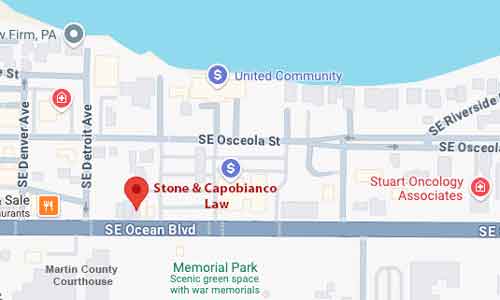
Visit our convenient Port St. Lucie office at:
Stone Law
745 SE Port St. Lucie Blvd.
Port St. Lucie, FL 34984
We proudly serve families throughout Port St. Lucie, Fort Pierce, Stuart, Palm City, Martin County, St. Lucie County, and Florida’s Treasure Coast.
Call (772) 781-4357 today to schedule a consultation and learn how we can help protect your parental rights while focusing on what matters most—your child’s future.
Related: Child Custody • Parental Responsibility